
Article by : Noluthando Pearl Mbonane
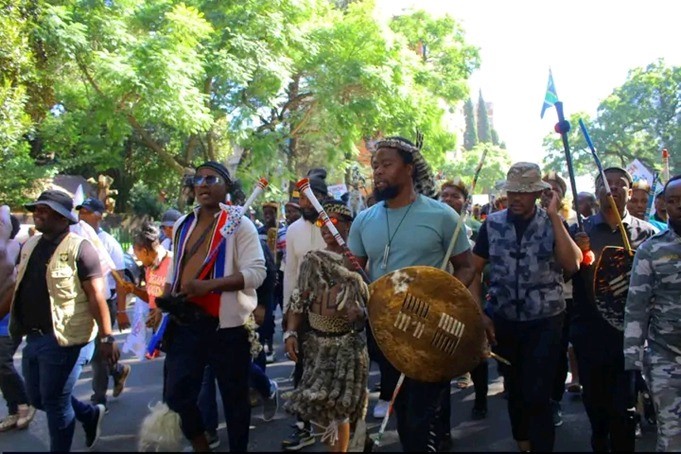
Demonstrators marched towards the Union Buildings in Pretoria on 28 February 2026, staging a protest against unemployment and undocumented foreign nationals in South Africa.
The protest aimed to raise awareness of South Africa's 32.9% unemployment rate (Stats SA, Q1 2026). Organizers demanded that the government intensify efforts to stop illegal immigration and the hiring of undocumented foreign nationals.
At the Union Buildings, protesters handed over a memorandum to officials. The march was hosted by organizers and political parties including ActionSA, with the goal of compelling the South African government to commit to clear timeframes for addressing the issues raised.
Photo by Noluthando Pearl Mbonane
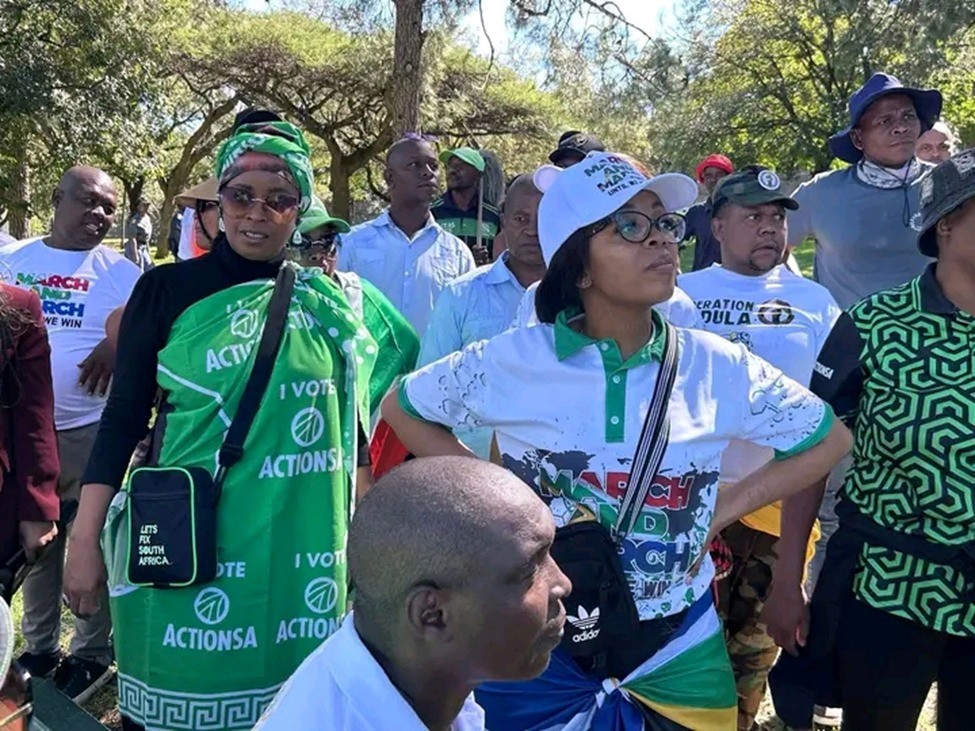
"I'm a big fan of March and March — it's a fight for every South African individual that is oppressed. We needed to unite as South Africans despite different political ideologies." said Tshepang Moloi
Protesters further alleged that inadequate enforcement of immigration laws allows undocumented foreign nationals to engage in criminal activity, including drug dealing and murder. Speakers also claimed that background checks are not being conducted on foreign nationals entering the country as refugees.
"We won't accept undocumented foreign nationals to keep selling drugs to our children, turning them into slave workers and also killing them." said Ngizwe Mchunu.
Looking ahead, organizers have vowed that the march will continue, declaring that South African citizens are tired of a government that moves at a snail’s pace with little to no concrete planning. They expressed deep frustration over the government’s inability to develop and implement a clear and effective strategy to improve the lives of ordinary South Africans.
Photo by Noluthando Pearl Mbonane
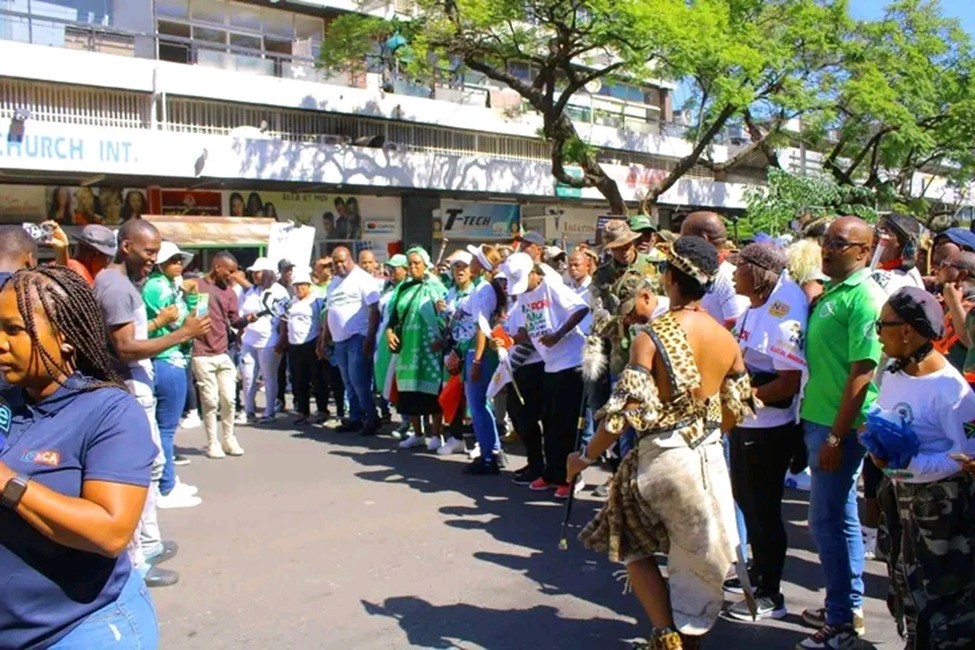
leaders made it clear that the streets will remain their platform until meaningful action is taken, calling on all citizens regardless of political affiliation to keep up the pressure and stand united in demanding accountability and real change.
Organizers were also careful to draw a distinction between documented and undocumented foreign nationals. Jacinta Ngobese-Zuma pointed out that while there are thousands of undocumented foreign nationals in the country, only very few are properly documented. She highlighted a growing concern that all foreign nationals are being grouped under the same banner, which she stressed is not the intention of the march.
“We are talking about people who cross the border or flee the country without documented papers to come and build their lives,” she said, clarifying that the protest is specifically directed at those who enter South Africa through unofficial channels without the required documentation.
The March and March protest signals a growing restlessness among South Africans who feel left behind by their government. With unemployment continuing to rise and immigration concerns remaining unaddressed, the movement reflects a broader cry for dignity, economic opportunity, and a government that listens.
As organizers prepare for future action, the message from the streets of Pretoria is clear. South Africans are no longer willing to wait. The ball is now firmly in the government’s court, and how it responds in the coming weeks will determine whether dialogue or continued protest defines the road ahead.
Photo by Noluthando Pearl Mbonane